What Happens During a Multi-Hour Tow: Communication, Updates, and Your Vehicle’s Journey
When your vehicle needs to travel a long way, say from Calgary out to Edmonton, down to Lethbridge, or into a mountain town in the Rockies, a multi-hour tow can feel like handing your car off into the unknown. Knowing exactly what happens from the first phone call to the final drop-off takes the anxiety out of the process and lets you plan your day around it.
The First Call and an Honest Quote
Everything starts with a clear conversation. We ask where the vehicle is, where it needs to go, its make and condition, and whether it rolls, steers, and brakes. Those details determine the right truck and an upfront price with no vague surprises later. For a long haul, we confirm the route, the estimated travel time, and a realistic pickup window so you are not left guessing.
This is also the moment to raise anything unusual, such as a lowered vehicle, a dead battery, or an awkward pickup spot, so the driver arrives ready rather than having to reschedule and cost you another day.
Loading and Securing Your Vehicle
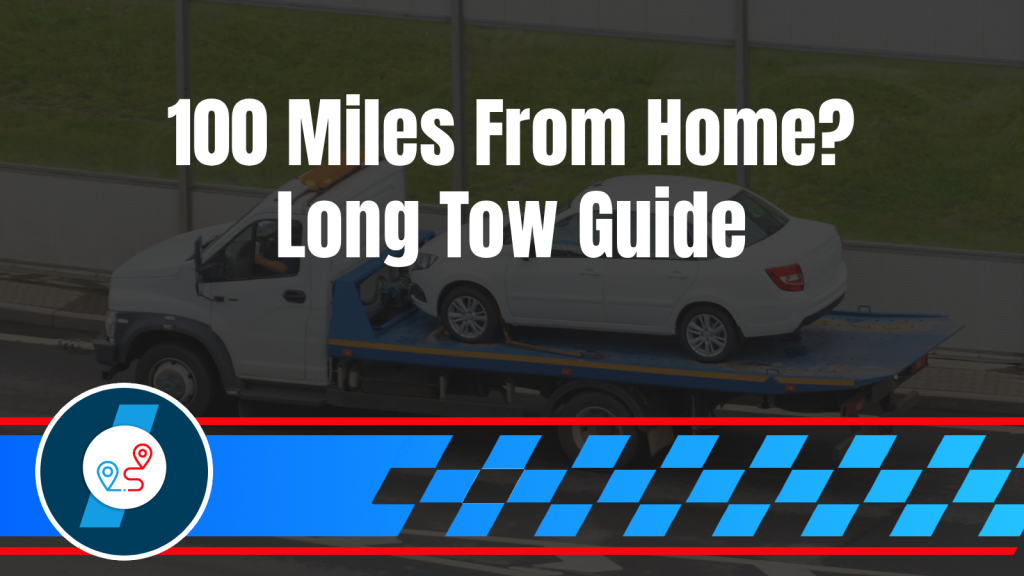
Before the wheels turn, the driver secures your car properly for the distance ahead. On a flatbed, that means winching it into position and locking it down at the frame or wheels with rated straps so it cannot shift over hundreds of kilometres. The driver does a quick walk-around with you, notes the vehicle’s condition, and confirms where the keys and any personal items are.
For a running but unreliable vehicle, the driver may also note anything that could move in transit and confirm whether the car will be dropped somewhere staffed or left in a lot. Getting these details straight before departure prevents confusion when the vehicle arrives hours away in another city.
Staying in Touch on the Road
A good long-distance tow is not radio silence. You should be able to reach your driver or dispatcher throughout the trip.
- A confirmed departure time once the vehicle is loaded
- A realistic arrival estimate based on current road conditions
- Updates if Alberta weather, construction, or a mountain pass closure shifts the timeline
- A direct number to call with any questions along the way
Clear communication matters most in winter, when a storm can slow the QEII or close Highway 1 through the mountains with little warning.
Your Vehicle’s Journey
During the drive, your car rides securely on the deck, out of traffic and off its own tires, which spares the drivetrain and tires from highway wear. Professional drivers plan fuel and rest stops, keep an eye on the load, and adjust for changing weather. Your vehicle is covered by the operator’s insurance while in transit, so it stays protected the entire way to its destination.
You do not need to follow behind or ride along. Part of the value of a professional long-distance tow is that you can carry on with your day, drive ahead, or fly to meet the vehicle, knowing it is handled. If plans change mid-route, a quick call to dispatch can often adjust the drop-off details.
Arrival and Handoff
At the destination, the driver unloads carefully and does a final walk-around so you or the receiving party can confirm the vehicle arrived in the same condition it left. Keys change hands, paperwork is completed, and any questions are answered on the spot. Whether the car is bound for a dealership, a repair shop, or a new owner’s driveway, the handoff should be straightforward and fully documented.
If you cannot be there in person, arrange in advance for someone at the destination to receive the vehicle and sign off, and tell us who to expect. A documented handoff protects everyone and gives you a clear record that the car arrived exactly as promised.
Planning a Long-Distance Tow? Talk to Us
A multi-hour tow should feel organized and transparent from start to finish. Call Towing Calgary at (587) 330-2417 to plan yours. See our long distance towing and flatbed towing services for the details.