The Equipment That Protects Your Bike During Transport: Wheel Chocks, Soft Straps, and Professional Techniques
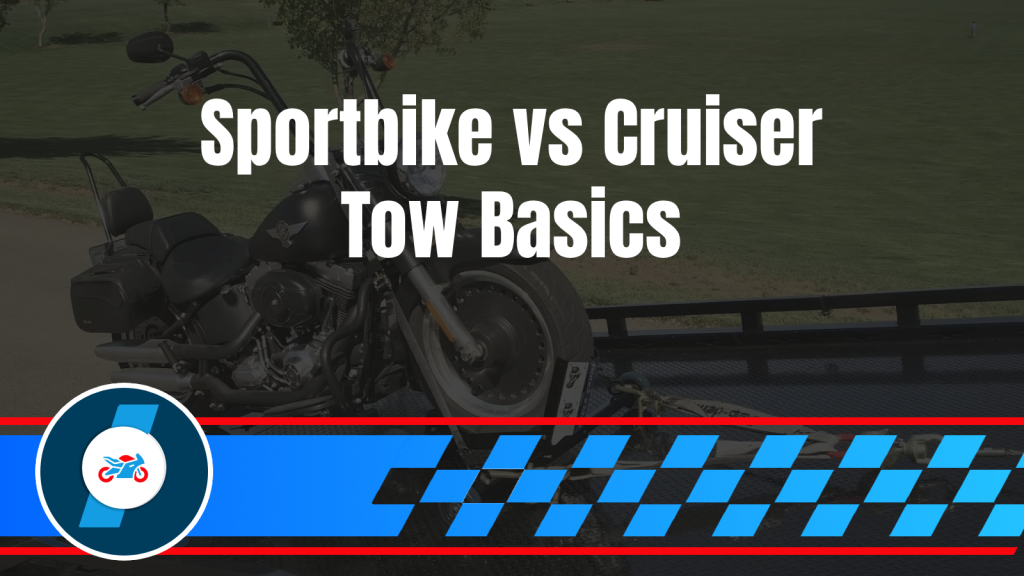
A motorcycle has none of the crash structure of a car, and everything that makes it fun to ride, the light weight, the two wheels, the exposed bodywork, makes it hard to transport safely. Whether your bike died on Crowchild Trail or simply needs moving from a garage in Okotoks, the equipment and technique used to load and secure it decide whether it arrives in the same shape it left in. A little extra care at the loading ramp is the whole difference between a routine move and an expensive claim.
Why Motorcycles Need Specialized Handling
You cannot strap a bike to a deck the way you lash down a broken car. A motorcycle has to be held upright, balanced, and cinched at points that will not bend levers, scratch tanks, or crush fork seals. Get it wrong and a short tow across Calgary can cost a rider a new set of forks or a cracked fairing.
The Wheel Chock: Your Bike’s Anchor
A front wheel chock cradles the front tire and holds the bike vertical while it is secured. This is the foundation of a safe load. Without it, the machine leans on the straps alone, a recipe for a tipped bike the moment the truck turns a corner. Professional carriers use a chock rated for the bike’s weight and wheel size, so a heavy touring bagger and a light dual-sport are each held properly.
Soft Straps and Why They Matter
Ratchet straps alone can chew through paint and bend handlebar controls. Soft straps, the fabric loops that wrap around solid parts of the frame or triple clamp, spread the load and give the ratchet a clean, non-marring point to hook onto. A proper tie-down setup usually includes:
- A front wheel chock sized to the tire.
- Soft loop straps at the handlebars or lower triple clamp.
- Rear soft straps anchored to the frame or subframe.
- Firm but not bottomed-out compression on the front forks.
- A final walk-around check before the truck moves an inch.
Professional Loading Technique
Loading is where bikes get dropped. A ramp set at the right angle, a spotter at the side, and a controlled walk up the ramp keep the machine steady from ground to deck. Our operators compress the forks evenly so the bike locks in without over-stressing the seals, then re-check tension after the first few minutes on the road, since straps settle and stretch once the load starts moving.
Flatbed Versus Improvised Transport
A flatbed with a proper chock and soft straps is the gold standard for motorcycle transport. It sits low, loads gently, and keeps the bike level for the whole trip. For custom, vintage, or high-value bikes heading to Airdrie, Cochrane, or beyond, that difference in care is worth everything.
Most damaged-in-transit bikes we hear about were loaded in a hurry. A bike wedged in a pickup box shifts under braking, a single strap over the seat can crush the subframe, and a ramp that is too steep sends rider and bike over sideways. None of it is worth the gamble on a machine you care about.
Alberta Weather and Seasonal Moves
Many Calgary riders move bikes in spring and fall, when roads can be wet, gritty, or icy. Cold makes plastics brittle and straps stiff, so an experienced crew checks tension carefully and shields painted surfaces from road spray and grime on longer hauls. Riders storing a bike for the season often book transport to a heated facility, and a careful crew treats that final leg with the same attention as the ride itself, wiping down grit and confirming every strap before the doors close.
Need your motorcycle moved without a scratch? Call Towing Calgary at (587) 330-2417 for careful motorcycle towing on a proper flatbed, plus roadside assistance when your ride quits mid-trip.