Sportbike, Cruiser, or Touring Bike? How Different Motorcycles Require Different Towing
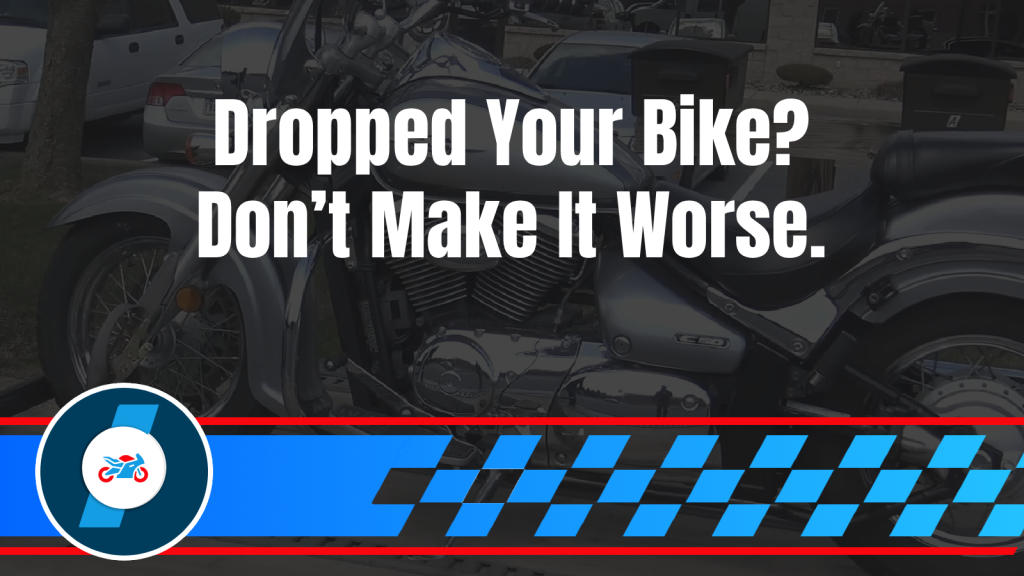
A motorcycle is not just a small car, and towing one is nothing like hooking up a sedan and driving away. The frame geometry, weight distribution, and bodywork of a sportbike, a cruiser, and a touring bike are all different, and each demands its own approach to loading and securing. Calgary riders who understand these differences are far less likely to see their pride and joy arrive with fresh scratches, bent bars, or a cracked fairing.
Why Motorcycles Need Specialized Towing
Unlike a four-wheeled vehicle, a bike has no stable resting position on its own. It must be held upright and secured at several points so it cannot tip or shift in transit. A car tow truck, ordinary chains, or straps hooked to the wrong parts can bend handlebars, crack fairings, or gouge a tank in seconds. Proper motorcycle towing uses a flat deck or dedicated bike trailer, a front wheel chock, and soft straps that protect the finish.
The stakes are higher than with a car because a motorcycle’s most expensive parts are fully exposed. There is no bumper or crumple zone to absorb a shift, so a single loose strap on a rough stretch of Deerfoot can do real damage before anyone notices.
Sportbikes: Low Clearance and Fragile Fairings
Sportbikes sit low, wear expensive plastic fairings, and have aggressive steering geometry. Their limited ground clearance means ramps must be gentle, and tie-down points are tight because so much of the bike is covered in bodywork. Fairings are among the costliest parts to replace, so straps have to route around solid frame or triple-clamp points, never over painted plastic.
Because a sportbike wants to fall toward whichever side is unsupported, a good operator keeps it chocked and balanced from the moment the front wheel leaves the ground. Rushing that step is exactly how mirrors snap and fairings crack.
Cruisers: Weight and Wide Bars
Cruisers are heavier, sit lower at the rear, and often carry hard saddlebags, windshields, and chrome that scratches easily. Their wide handlebars and forward controls change where a chock and straps can safely go. The extra mass, with some baggers pushing past 350 kilograms, means the operator needs the right ramp rating and enough tie-down capacity to hold everything steady on a long haul out to Okotoks, Cochrane, or Strathmore.
Touring Bikes: Tall, Top-Heavy, and Loaded
Full touring bikes are the giants of the road, with large fairings, trunks, and a high centre of gravity that makes them tip-prone during loading. They are often loaded with electronics, audio, and accessories and represent a serious investment. Securing one calls for a wide chock, multiple anchor points, and careful balance so the suspension compresses evenly front and rear, with no strain on the top-box mounts or windshield.
What Proper Motorcycle Towing Looks Like
- A flat, low-angle ramp or a hydraulic bed to avoid grounding the bike
- A front wheel chock that locks the wheel upright
- Soft loop straps at the triple clamp or frame, never the bars or plastics
- Even compression front and rear so the bike cannot bounce loose
- An operator who knows never to lay a bike on its side
A few minutes of prep helps too: fold in the mirrors, remove tank bags and GPS units, and mention any dropped suspension or dead battery when you call, since each of those changes how the bike gets loaded.
Calgary Riders: Protect Your Bike Year-Round
Whether your bike went down on a gravel-strewn spring road, needs a lift home from a Kananaskis ride gone wrong, or has to move into winter storage before the first snow, the right equipment matters. Call Towing Calgary at (587) 330-2417 for careful, bike-specific transport. See our motorcycle towing service for details, or reach us anytime through roadside assistance.