
Does Roadside Assistance Cover Emergency Fuel Delivery? What Your Insurance Actually Provides
Running out of fuel on the edge of Calgary, maybe on a long stretch of Stoney Trail with no station in sight, is a uniquely frustrating way to get stuck. The good news is that help is usually close. The question most drivers ask is whether they’ll pay for the gas, the delivery, or both. The answer depends on exactly what kind of plan you hold.
How Fuel Delivery Works
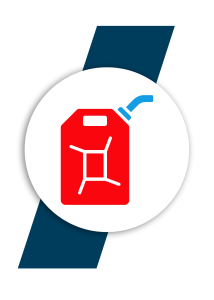
Emergency fuel delivery is simple in concept: a technician brings enough fuel to get you to the nearest station. It’s not a full tank, just enough to get you moving again safely. Once you’re rolling, you fill up properly and carry on with your day.
What Roadside Plans Typically Cover
Most roadside assistance memberships include fuel delivery as a core service, but the details vary more than people expect. Read your plan to know which of these applies to you.
- Some plans cover the service call but charge you for the fuel itself.
- Others include a set amount of fuel at no extra cost.
- Many cap the number of service calls you can make each year.
- A few require you to use only their approved providers for reimbursement.
What Standard Insurance Usually Doesn’t Do
Your core auto insurance policy, the one covering collisions and liability, generally does not include fuel delivery. That benefit lives in a separate roadside endorsement or a membership plan. If you’ve never added roadside coverage, an out-of-gas call will likely be an out-of-pocket expense, though usually a modest one.
It’s worth checking your credit cards too, since some premium cards bundle roadside perks that many holders forget they have.
Why Not Just Walk to a Station?
On a cold Alberta night or a busy highway, walking for fuel is riskier than it sounds. Winter temperatures can drop fast after dark, shoulders on roads like Deerfoot Trail are dangerous to walk along, and carrying a fuel can back to your car in traffic is hazardous. Staying with your vehicle and calling for delivery is almost always the safer choice.
Avoiding the Problem Next Time
A little habit goes a long way: refuel when you hit a quarter tank rather than running it to empty, especially before a longer drive out to Okotoks or Airdrie. In winter, a fuller tank also reduces condensation in the fuel system. Still, everyone slips up now and then, and that’s exactly what emergency delivery is for.
How Much Fuel Delivery Actually Brings
It is a common misconception that fuel delivery fills your tank at the roadside. In reality, the technician brings a measured amount, usually a few litres, which is plenty to reach the nearest station where you can fill up properly. This keeps the service quick and gets you rolling again without a long wait on the shoulder.
If you drive a diesel or an electric vehicle, the situation differs. Diesel drivers should mention it when they call so the right fuel arrives, since putting the wrong type in the tank causes serious damage. Electric vehicle owners who run out of charge cannot be topped up with a jerry can, so the answer there is usually a flatbed tow to the nearest charger. Whatever you drive around Calgary and area, a quick note about your vehicle when you call ensures the right help shows up the first time.
Running dry is one of the most avoidable roadside problems, yet it happens to nearly everyone eventually. When it does, a quick call brings a few litres to your door so you can reach the nearest Calgary pump and carry on.
Out of gas and stranded near Calgary? Call Towing Calgary at (587) 330-2417 for quick help. Learn about our fuel delivery and roadside assistance services.