Lowered, Modified, or Custom? How Flatbed Towing Handles Low-Clearance Vehicles
If you have ever winced watching a car scrape into a parkade ramp, you already understand the challenge of towing a lowered vehicle. Modified suspensions, aggressive front lips, and custom bodywork turn a routine tow into a job that demands the right equipment and a careful operator. Here is how flatbed towing protects low-clearance vehicles on Calgary roads.
Why Low Clearance Is a Towing Problem
A dropped or coilover-equipped car sits far closer to the ground than the factory intended. On a conventional wheel-lift or hook truck, the act of lifting one end changes the vehicle’s angle and can drag a splitter, exhaust, or oil pan along the pavement.
Add Calgary’s frost heaves, steep driveways, and speed bumps, and the margin for error shrinks to almost nothing. The wrong approach can cost more in scraped carbon fibre than the tow itself.
The Flatbed Advantage
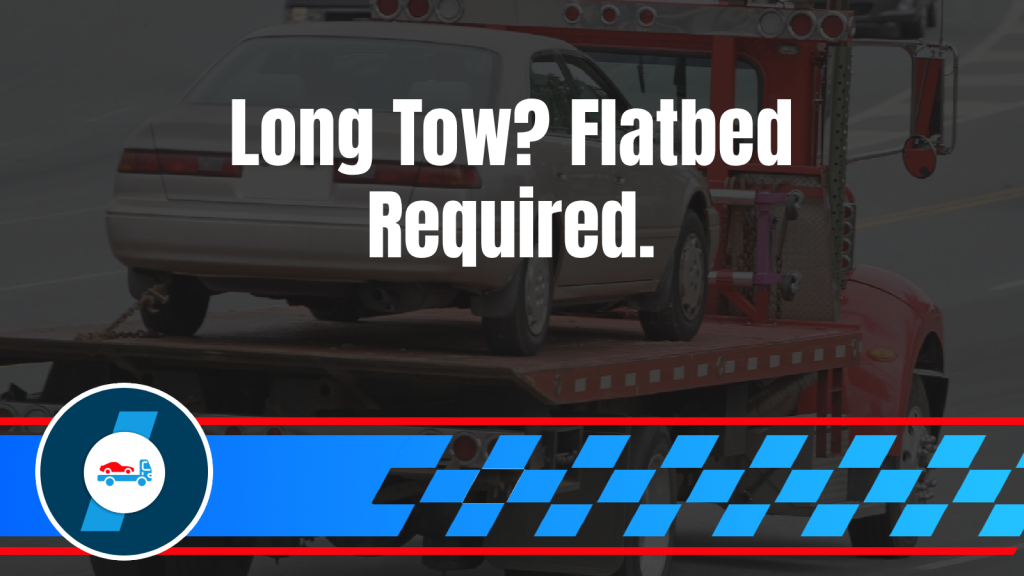
A flatbed, also called a rollback, lowers its deck to the ground and pulls the entire vehicle up on a gentle incline. All four wheels sit on the platform, so nothing drags and no single point of the car takes the strain.
This is why flatbeds are the default for anything precious or unusual: sports cars, show cars, and heavily modified builds all ride safest with the whole vehicle supported at once.
Managing the Approach Angle
The critical moment is the transition from ground to deck. A good operator reduces that angle to protect a low front end using proven techniques:
- Deploying extended or low-profile ramps to soften the incline
- Placing wood blocks or ramp extensions under the tires
- Choosing a flat, level loading spot rather than a slope
- Winching slowly and watching the front lip the whole way up
- Loading in the direction that keeps the lowest point clear
These small steps are the difference between a clean load and an expensive scrape.
Securing Without Causing Damage
Once aboard, the car must be tied down without stressing the suspension or marring custom finishes. Soft straps over the tires, rather than hooks on control arms, hold the vehicle securely while letting the suspension move naturally.
An experienced operator avoids chaining to modified components and takes care around widebody panels, wraps, and fresh paint. The aim is always to deliver the car in exactly the condition it left in, with no new marks to explain.
Talk to the Operator Before They Arrive
The best outcomes start with a conversation. Tell dispatch that the vehicle is lowered or modified, and mention the ride height, any front lip, and whether the car runs and steers.
That heads-up lets them send a flatbed with the right ramps rather than a truck that cannot safely load your car, saving a wasted trip whether you are in Calgary, Airdrie, or Cochrane. It also spares your vehicle the risk of a failed loading attempt, which is the last thing the owner of a low or custom car wants to watch happen.
Common Low-Clearance Vehicles We Load
Lowered street cars are not the only vehicles that need this careful treatment. Plenty of factory-built and modified vehicles sit low enough to demand a flatbed and a patient operator.
- Sports cars and supercars with front splitters
- Slammed trucks and bagged builds on air suspension
- Classic and show cars with delicate original bodywork
- Widebody and track-prepped vehicles with aero kits
- EVs and sedans with low, easily scraped underbody panels
If your vehicle fits any of these, mention it when you call so the right truck arrives ready to load it cleanly the first time.
Need a low car moved safely? Call Towing Calgary at (587) 330-2417 for careful flatbed towing built for low-clearance and custom vehicles.