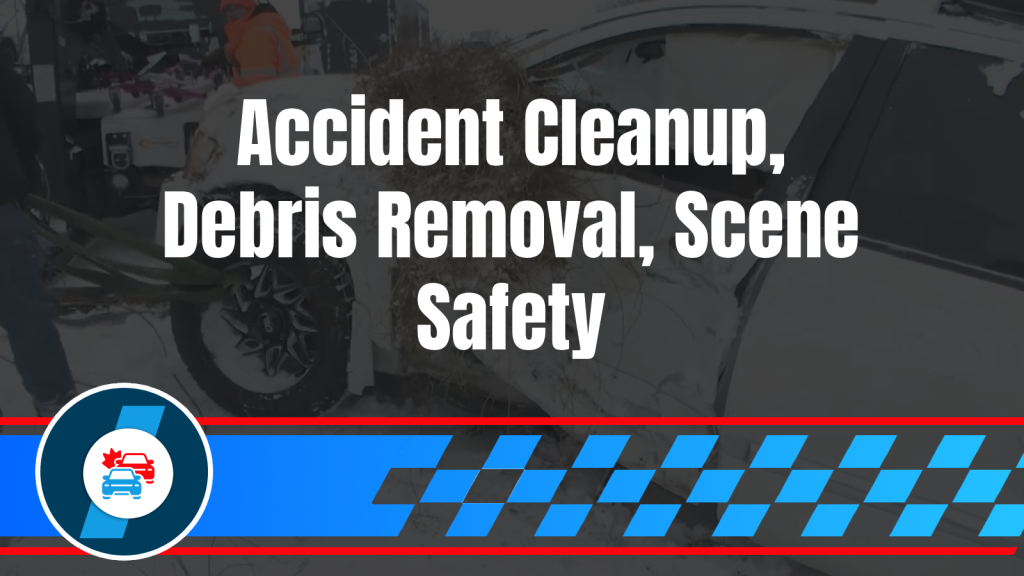
The Hidden Steps Accident Towing Companies Handle: Scene Safety, Debris Removal, and Documentation
To a shaken driver on the side of a Calgary road, an accident tow looks like one thing: a truck loads the car and leaves. In reality a trained operator works through a long mental checklist before the vehicle ever moves. These behind-the-scenes steps protect you, the drivers around you, and the road itself, and most people never realize they are happening.
Securing the Scene Before Anything Moves
The first priority is preventing a second collision. A good operator positions the truck to shield the wreck, sets out cones or flares, and works around any police or fire crews already on site. On a fast road like Stoney Trail or Deerfoot, that buffer of space and flashing light can be the difference between a bad day and a far worse one.
Positioning is a skill in itself. The truck becomes a physical barrier between oncoming traffic and the people working the scene, and where it parks is a deliberate safety decision, not a matter of convenience.
Debris and Fluid Cleanup
Collisions scatter hazards across the lane, and leaving them behind endangers everyone who follows. A proper accident tow includes clearing what the crash left behind so the road is safe once the trucks are gone.
- Broken glass and shattered plastic swept out of the driving lane.
- Bumpers, trim, and torn metal gathered up off the road surface.
- Leaked coolant, oil, or fuel treated with absorbent so the pavement is not left dangerously slick.
- Loose cargo and personal effects collected so they do not become hazards for the next driver.
Safely Recovering a Damaged Vehicle
A crashed car rarely rolls or steers the way it should. Bent wheels, a locked-up drivetrain, a dropped exhaust, or deployed airbags all change how it must be moved. Operators use winches, dollies, and skates to lift a vehicle onto the deck without dragging it or causing further damage, then chain it down properly for the ride.
Choosing the wrong method can bend a frame or ruin a transmission, so recovering a wreck is a different craft than loading a healthy car. It is one reason accident work belongs with an experienced crew rather than a passing volunteer.
Documentation That Protects You
Before the car leaves, a careful operator photographs its condition and notes existing damage. That record matters later, showing that any given dent happened in the collision and not during transport. For an insurance claim, this quiet bit of paperwork can save you a genuine headache down the line.
It protects the driver as much as the towing company. If a question ever comes up about how the car arrived at the yard, there is a clear, time-stamped answer instead of a dispute.
Good operators keep these records organized rather than scattered across a phone camera roll. When your insurer or body shop asks how the vehicle arrived and in what condition, a clear set of dated photos and written notes answers the question in minutes instead of dragging on for days.
Coordinating With Emergency Crews
An accident scene often has several parties working at once, each with their own priorities. The tow operator takes direction from police, waits for clearance before moving anything that could be evidence, and times the recovery so it does not interfere with medical or fire response. That quiet coordination is what keeps the whole scene moving safely.
When a collision happens anywhere around Calgary, Chestermere, or Cochrane, an experienced crew handles the parts you should not have to think about. Call (587) 330-2417 for accident towing, winching and recovery, or urgent emergency towing.